
less survivable cancers

Less Survivable Cancers Day

Thames Valley Cancer Alliance (TVCA) is supporting the awareness of the six less survivable common cancers on Tuesday 11 January 2023 – Less Survivable Cancers Day.

Do you know the less survivable six?

Brain, liver, lung, oesophageal, pancreatic, and stomach cancers are the six less survivable common cancers.  They are responsible for almost half of all cancer deaths and make up a quarter of cancer cases each year in the UK.

Only 16% of people diagnosed with a less survivable cancer will survive for five years[1].

Mrs Jennifer Graystone, TVCA Clinical Director, Consultant Oral & Maxillofacial Surgeon, and Head & Neck Cancer Surgeon at Oxford University Hospitals NHS Trust says:

“These six cancers often have vague or non-specific symptoms, which can be more difficult to diagnose. Non-specific symptoms also mean that patients often see a GP for the first time when the cancer is no longer in its early stages, resulting in later diagnosis.

“Typical symptoms will vary but red flags for less survivable cancers could include any of the following: indigestion, abdominal pain, unexplained weight loss, a loss of appetite, difficulty swallowing, a persistent cough, unexplained tiredness, headaches, or nausea.

“As part of the NHS,TVCA is urging everyone to be aware of the symptoms of these potentially deadly cancers and to seek medical help as soon as possible if they recognise any of the signs.”
[1] Less Survivable Cancers Taskforce

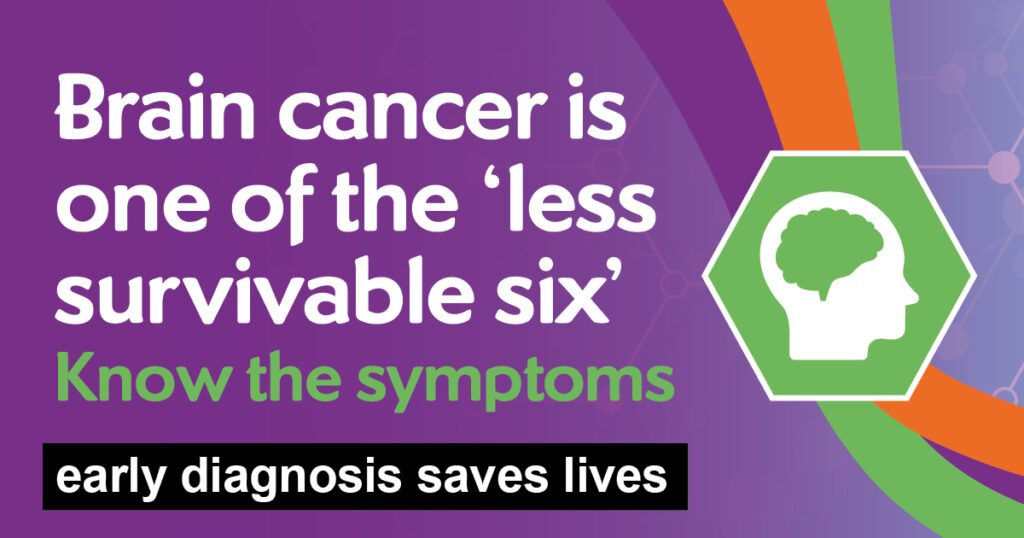
Brain Cancers

  • symptoms can include: headaches, nausea or vomiting, vision or speech problems, fits (seizures), mental or behavioural changes, such as memory problems or changes in personality
  • brain tumours are the 9th most common[1] cancer in the UK
  • 60% of people diagnosed with a high-grade brain tumour will die within one year and just 12% will survive[2] for five years or more
  • The Brain Tumour Charity is at the forefront of the fight to defeat brain tumours. It funds pioneering research to increase survival, raises awareness of the symptoms and effects of brain tumours, and provides support for everyone affected

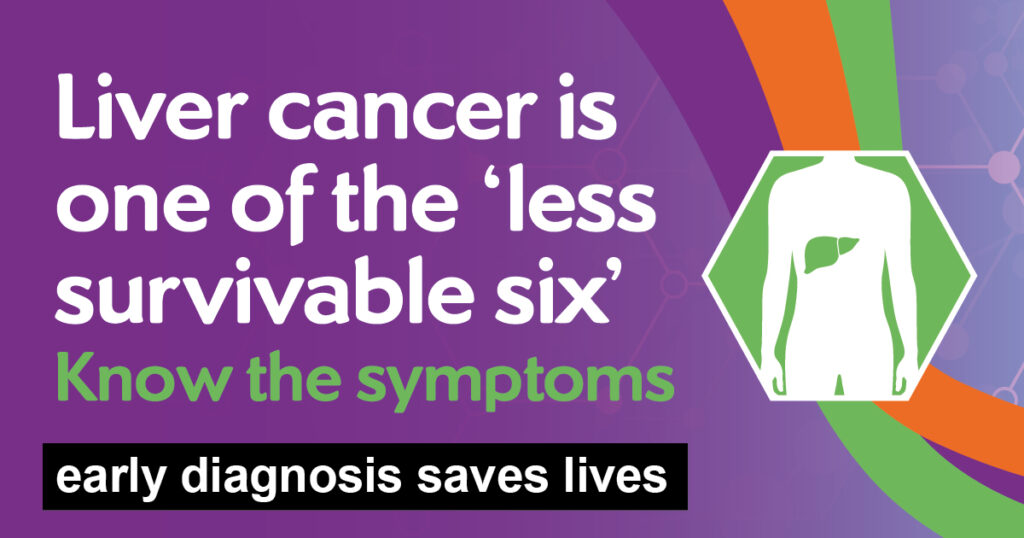
Liver Cancers

  • symptoms include: unintentional weight loss, loss of appetite, feeling very full after eating, feeling and being sick, pain or swelling in your abdomen, jaundice (yellowing of your skin and the whites of your eyes), itchy skin, feeling very tired and weak, fever with shivers, vomiting blood, dark black tarry poo, dark urine
  • liver cancer is the 18th most common cancer[3], the 8th cause of cancer-related deaths[4], and accounts for 2% of all cancers[5]
  • death rates for liver cancer have soared by around 45% in the last decade[6]
  • five-year relative survival for liver cancer in both men and women is below the European average in England[7]
  • most cases of primary liver cancer are linked to cirrhosis (damage and scarring) of the liver which is most often caused by viral hepatitis, alcohol, and obesity
  • British Liver Trust is the UK’s leading liver health charity working to improve liver health for all and supporting those affected by liver disease or cancer

Lung Cancers

  • symptoms include: a cough that does not go away or gets worse, coughing up blood, chest pain that is often worse with deep breathing, coughing, or laughing, hoarseness, weight loss and loss of appetite, shortness of breath, feeling tired or weak
  • there are around 48,500 new lung cancer cases[8] in the UK every year
  • lung cancer is the 3rd most common cancer in the UK, accounting for 13% of all new cancer cases[9]
  • smoking is the leading cause of lung cancer. This means smokers and ex-smokers have an increased risk of getting lung cancer. But it is not the only cause; 28% of lung cancer cases aren’t caused by smoking[10]
  • Roy Castle Lung Cancer Foundation is the only UK lung cancer charity dedicated to helping everyone affected by the disease

Oesophageal Cancers

  • the oesophagus is the tube that connects your mouth to your stomach. Symptoms include: difficulty swallowing, persistent indigestion or heartburn, loss of appetite and weight loss, vomiting, pain or discomfort in stomach, chest or back, a persistent cough, hoarseness, tiredness, and shortness of breath
  • around 9,300 cases[11] of oesophageal cancer are diagnosed each year in the UK
  • approximately 17% of adult oesophageal patients survive this cancer for five years[12] or more
  • when diagnosed at its earliest stage, more than 8 in 10 (84%) people with oesophageal cancer will survive their disease for one year or more. This compares around 1 in 5 (21%) people when the disease is diagnosed at the latest stage[13]
  • the cancer risks are higher for men, people who smoke, and those who are obese[14]
  • Action Against Heartburn campaigns to promote the earlier diagnosis of oesophageal and stomach cancer

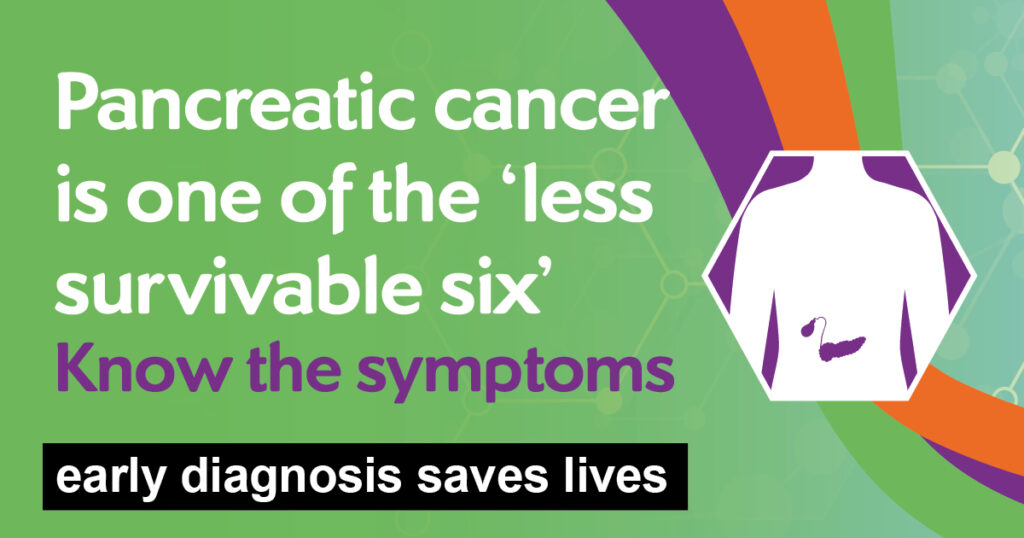
Pancreatic Cancers

  • symptoms include: pain in the back or stomach area, unexpected weight loss, yellowing of the skin and whites of the eyes (jaundice), indigestion, changes to bowel habits, loss of appetite, recently diagnosed diabetes
  • only 7% of people with pancreatic cancer in the UK will survive beyond five years[15]
  • pancreatic cancer survival has not shown much improvement in the last 40 years in the UK; in the 1970s, 1% of people diagnosed with pancreatic cancer survived their disease beyond ten years, now it’s still 1%[16]
  • ’emergency presentation’ is the most common route to diagnosing pancreatic cancer[17], meaning that many diagnosis are made when the cancer is at an advanced stage
  • Pancreatic Cancer UK takes on pancreatic cancer through research, support, and campaigning to transform the future for people affected by this cancer

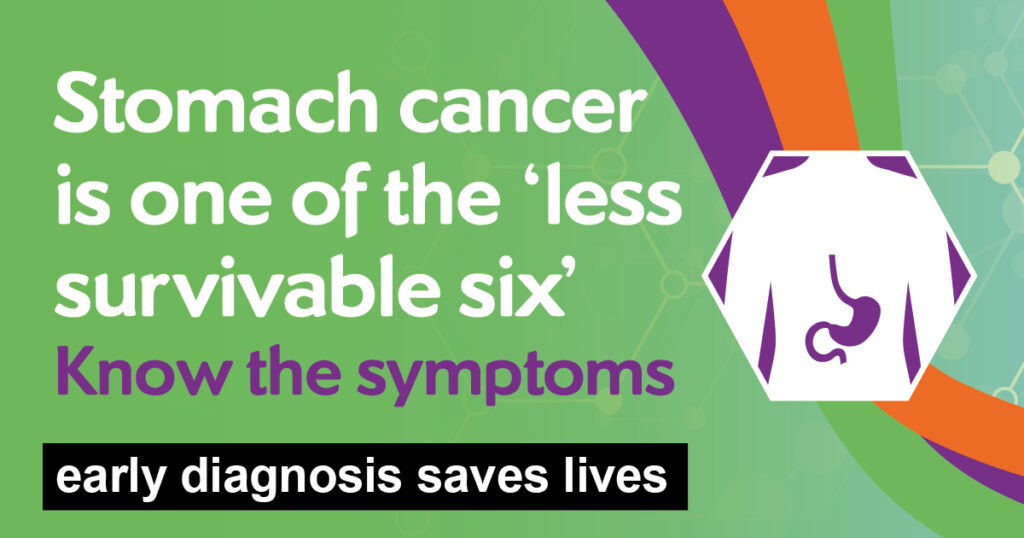
Stomach Cancers

  • symptoms include: indigestion, trapped wind, heartburn, feeling full very quickly when eating, feeling bloated after eating, nausea, stomach pain, difficulty swallowing (dysphagia), unexpected weight loss
  • stomach cancer is more common in men than women[18]
  • more than 5 out of 10 cases (50%) occur in people aged 75 or over[19]
  • survival rates for people with stomach cancer in England: almost one in two people (47%) will survive the cancer for one year or more. Around one in five people (22%) will survive their cancer for five years or more. Three in 20 people (17%) will survive their cancer for 10 years or more[20]
  • when diagnosed at its earliest stage, almost 9 in 10 (88%) people with stomach cancer will survive the disease for one year or more. This compares to around 1 in 5 (21%) people when the disease is diagnosed at the latest stage[21]. But ‘emergency presentation’ is the most common route to diagnosing stomach cancer[22]
  • Guts UK funds research to fight diseases of the gut, liver, and pancreas so no one suffers in silence or alone

More information

Ends

[1] Cancer Research UK

[2] Cancer Research UK

[3] Cancer Research UK

[4] Cancer Research UK

[5] Cancer Research UK

[6] Cancer Research UK

[7] Cancer Research UK

[8] Cancer Research UK

[9] Cancer Research UK

[10] Cancer Research UK

[11] Cancer Research UK

[12] Cancer Research UK

[13] Cancer Research UK

[14] Cancer Research UK

[15] Cancer Research UK

[16] Cancer Research UK

[17] Cancer Research UK

[18] Cancer Research UK

[19] Cancer Research UK

[20] Cancer Research UK

[21] Cancer Research UK

[22] Cancer Research UK

Issued: 10/1/2023

NRL-020-01-LESS_SURV-JAN23.jaa

less survivable cancer - stomach