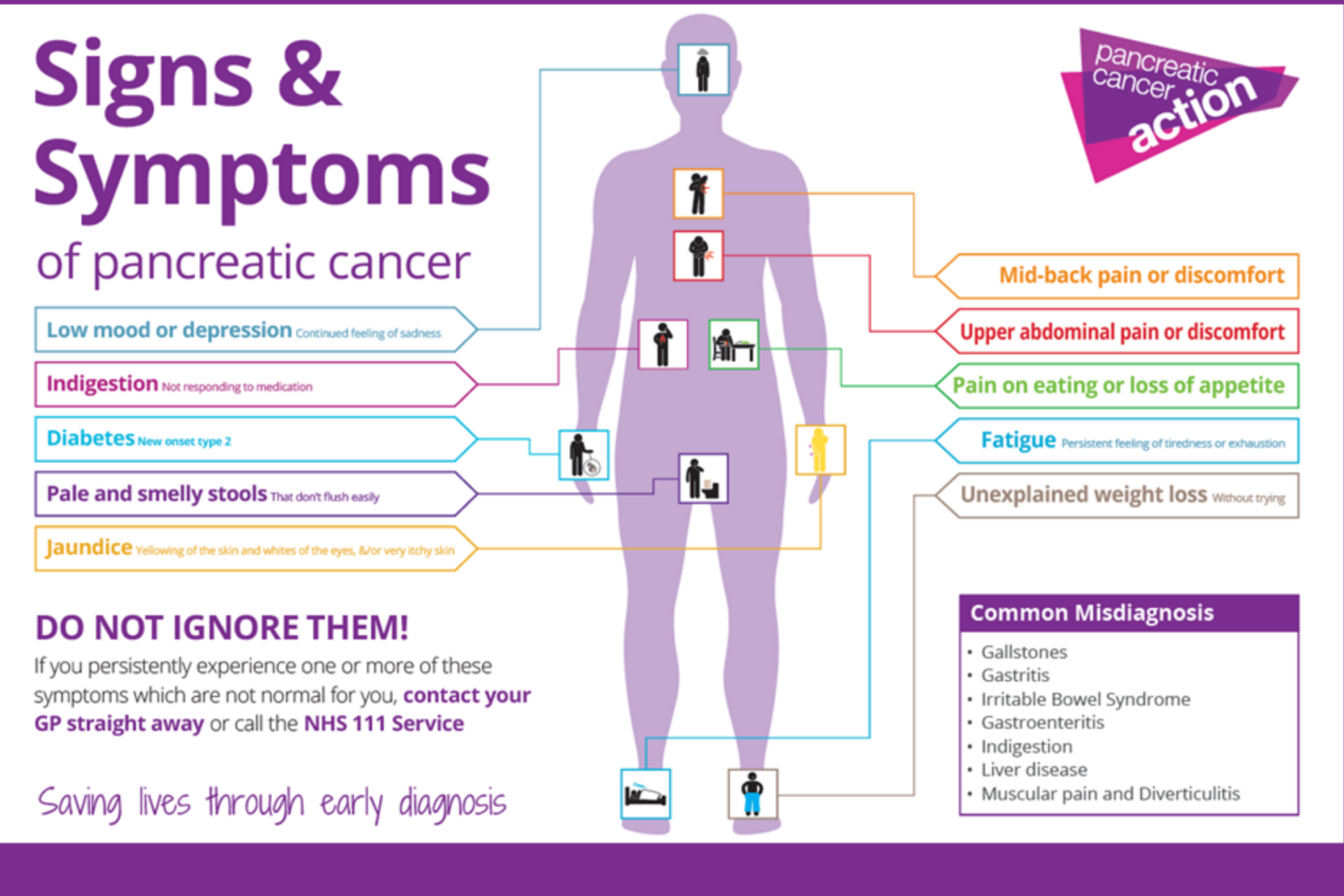
Pancreatic cancer is often diagnosed at a late stage because early symptoms can be vague or non‑specific. Earlier identification is essential to improving outcomes. Thames Valley Cancer Alliance is taking part in a national pilot testing whether proactive case‑finding in primary care can help diagnose pancreatic cancer earlier.
What’s happening
This two-year pilot will be delivered by 15 selected GP practices across 5 Primary Care Networks (PCNs) within the Thames Valley region; covering a combined population of more than 260,000 people.
Funded through NHS England’s cancer programme, the project aims to identify people at risk of pancreatic cancer earlier, when treatment options are more effective and survival outcomes are significantly better.
Pancreatic cancer is the fifth leading cause of cancer deaths in the UK, and most people are diagnosed when the disease is already advanced. The pilot aims to understand whether structured searches in GP practices can reliably identify people at higher risk sooner, enabling earlier referral, investigation, and treatment.
The findings will inform future national policy and the potential for wider rollout of case‑finding approaches. By supporting GPs to recognise early warning signs, TVCA aims to make earlier diagnosis more common and improve outcomes across the region.
How the pilot works
The pilot supports GP practices to identify people aged 60 or over who have:
- New‑onset diabetes (NOD)
- Unintentional weight loss
These two factors together are known early indicators of pancreatic cancer. Eligible patients will be referred for a CT scan within two weeks to rule out or confirm signs of pancreatic cancer earlier and, where necessary, start treatment earlier.
Not all GP practices in Thames Valley will be taking part
The pilot is running in a selected group of practices to test, refine and evaluate the approach before considering wider rollout.
Patients registered at practices not currently participating will continue to receive standard NHS care and can still discuss any concerns or symptoms with their GP.
This pilot will build on evidence from other NHS Cancer Alliance projects that show how supporting GPs to identify risk factors earlier can improve cancer outcomes and survival rates.