
Managing cancer-related fatigue
Fatigue is one of the most common and challenging effects of cancer and its treatment. It is different from normal tiredness and may not improve with rest alone.
Understanding fatigue
Fatigue can affect people in different ways, and it’s often helpful to think of it in three main types:
- Physical – feeling tired in your body, with reduced strength or stamina
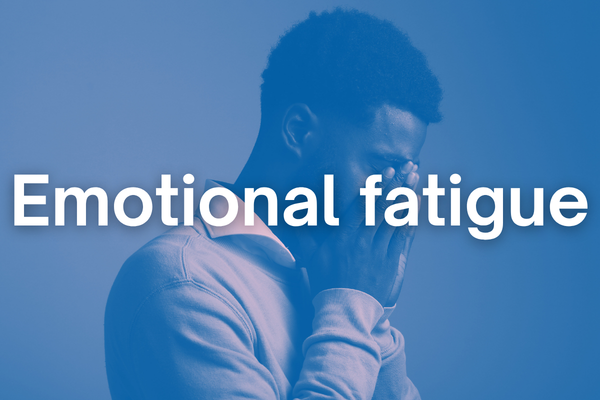
- Emotional – feeling low, overwhelmed, or lacking motivation
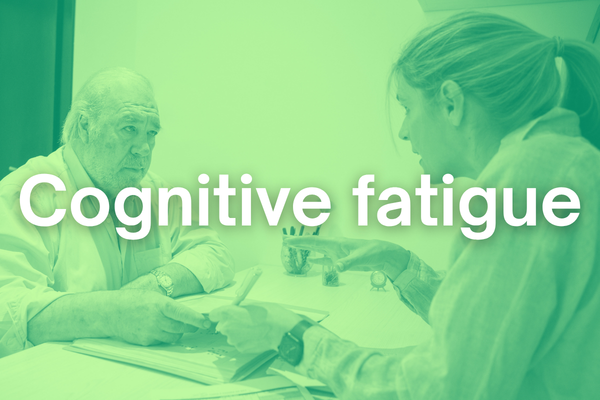
- Cognitive – difficulty concentrating, thinking clearly, or remembering things
Think of your energy like a battery. If you use too much without recharging, you can feel completely drained.
Learning to recognise your energy levels and use them wisely can help you manage fatigue more effectively. This allows you to feel more in control and make choices about how you spend your time and energy each day: